
The Cayuga Lake Watershed spans 870 square miles and 50 municipalities. Our watershed houses over 120,000 people and many of them rely on Cayuga Lake as a water source. With such a large land mass encompassed in our watershed, issues such as nutrient loading and stormwater run-off greatly impact our lake and it’s water quality.
Improper recreational practices may introduce aquatic invasive species, and harmful algal blooms may interrupt recreational activities entirely.
We are also impacted by broader global issues such as climate change and the growing AI industry.
The page lists below contain both new, rapidly expanding issues as well as long-term, existing issues alongside resources to learn more and take action.
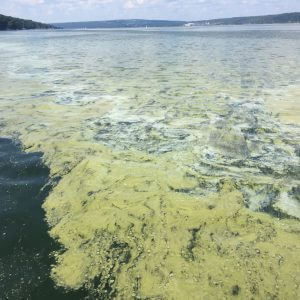
Harmful Algal Blooms
Have you observed a suspected Harmful Algal Bloom on Cayuga Lake? Report it here and help our lake!
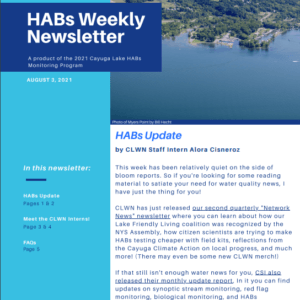
HABs Status & Weekly Updates
Stay up to date on current bloom conditions around Cayuga Lake. During the monitoring season, we publish weekly updates summarizing confirmed bloom reports, seasonal trends, and important announcements.
Learn How to Report a Suspected Bloom
If you see what may be a harmful algal bloom, avoid contact with the water and report it as soon as possible. Community reports are one of the most important tools for protecting public health and helping scientists monitor blooms across the lake.
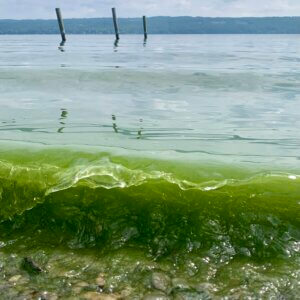
About HABs
Learn what harmful algal blooms are, how to recognize them, why they occur, potential health risks, and what to do if you encounter one. You'll also find photos that compare HABs with look-alikes such as pollen, duckweed, and green algae.
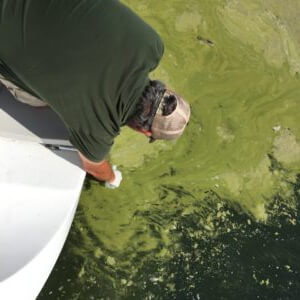
Cayuga Lake HABs Monitoring Program
Discover how Cayuga Lake's volunteer monitoring program works. Learn about the volunteers, scientists, and partner organizations that help monitor the lake, analyze bloom samples, and provide timely information to the public.
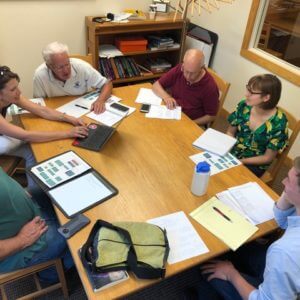
Taking Action on HABs and Protecting Water Quality
If you see what may be a harmful algal bloom, avoid contact with the water and report it as soon as possible. Community reports are one of the most important tools for protecting public health and helping scientists monitor blooms across the lake.
Climate Change
Hydrilla & Other Aquatic Invasive Species

Hydrilla Information & Action
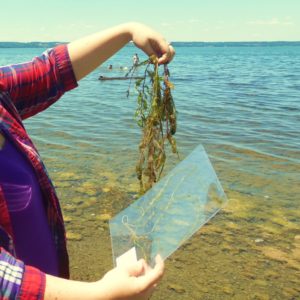
Information on why Hydrilla is a problem and needs to be monitored, treated, and removed from Cayuga Lake and ways you can become involved.
Hydrilla Story Map
An overview of the Finger Lakes Institute's survey efforts to detect Hydrilla infestations
Water Quality
TMDL for Phosphorus in Cayuga Lake
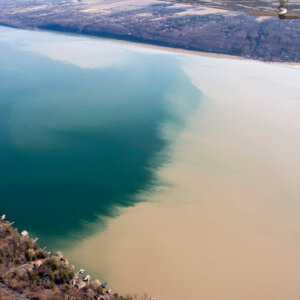
Water quality monitoring, communicating findings, coordinating relationships, identifying solutions.
Water Quality Committee
Water quality monitoring, communicating findings, coordinating relationships, identifying solutions.

Smart Steps for Clean Water
Practical steps that individuals can take to help protect and improve water quality. Topics include household chemicals, home energy, clean boating, responsible fishing, and how to become involved in local issues.