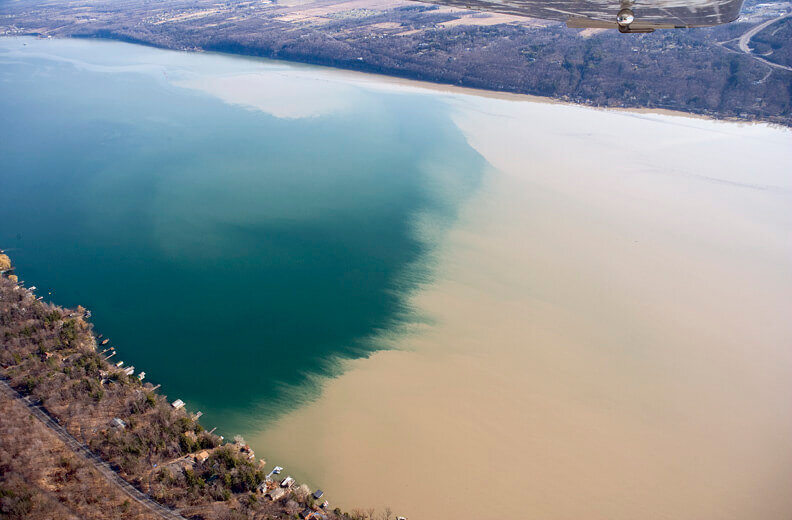
Signs of Climate Change in the Watershed
Analysis of Finger Lakes weather records from the past several decades confirms what many living in the region have observed—our climate has strayed from the “normal” weather patterns experienced by previous generations. This not only has created uncertainty about the timing of seasonal weather transitions, but also has manifested as an increase in frequency, intensity, and sometimes clustering of extreme events, particularly:
- an increased frequency of heat stress days,
- increased frequency of high rainfall events leading to flooding,
- and increased frequency of short-term summer water deficits.
These signs of climate change are already upon us, and climate models project these challenges are likely to become more intense during the next few decades. We are not alone, of course. As documented in the most recent UN Intergovernmental Panel on Climate Change (IPCC) report, this is a worldwide phenomenon, from unprecedented heat, drought, and forest fires in some regions, to record-breaking flooding and coastal storm damage in others. (This article, “Climate Change is Here” summarizes findings of the IPCC report in a concise and understandable form.) While we have arguably thus far been spared some of the most devastating impacts from climate change, we have our share of new challenges, with impacts on infrastructure, ecosystems, human health, and communities throughout the watershed. Some of these are described in more detail below.
Blog Post (3/21/23): Vital Signs of Change in our Watershed: FEMA Flood Risk Areas Expand as Water Rises
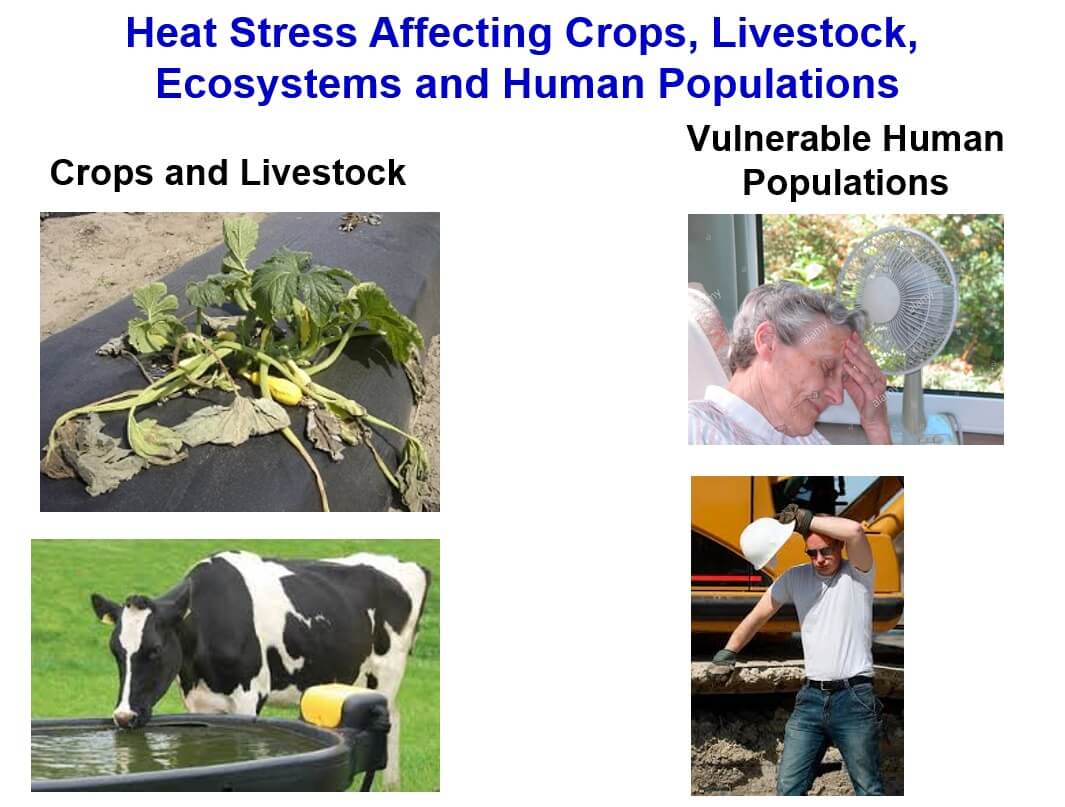
Temperature Impacts in the Watershed
~13-minute recorded presentation in MP4 video format.
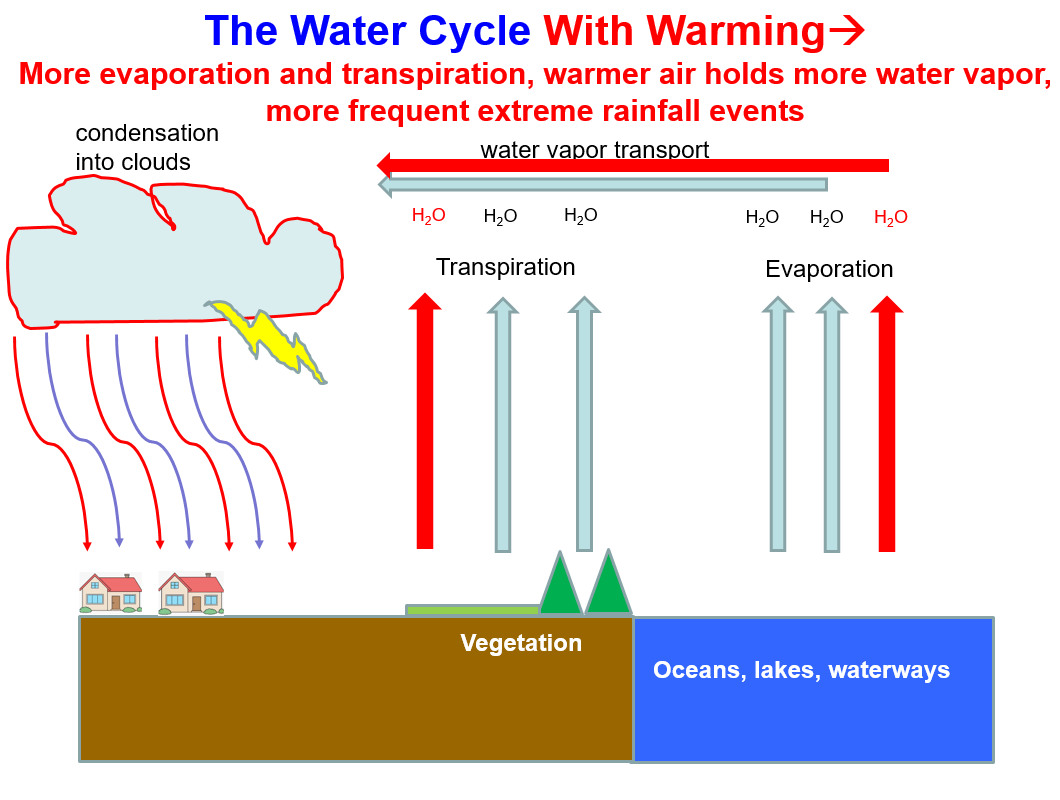
Drought and Flooding
~6-minute recorded presentation in MP4 video format.